London 2012 Olympic Park
London, UK
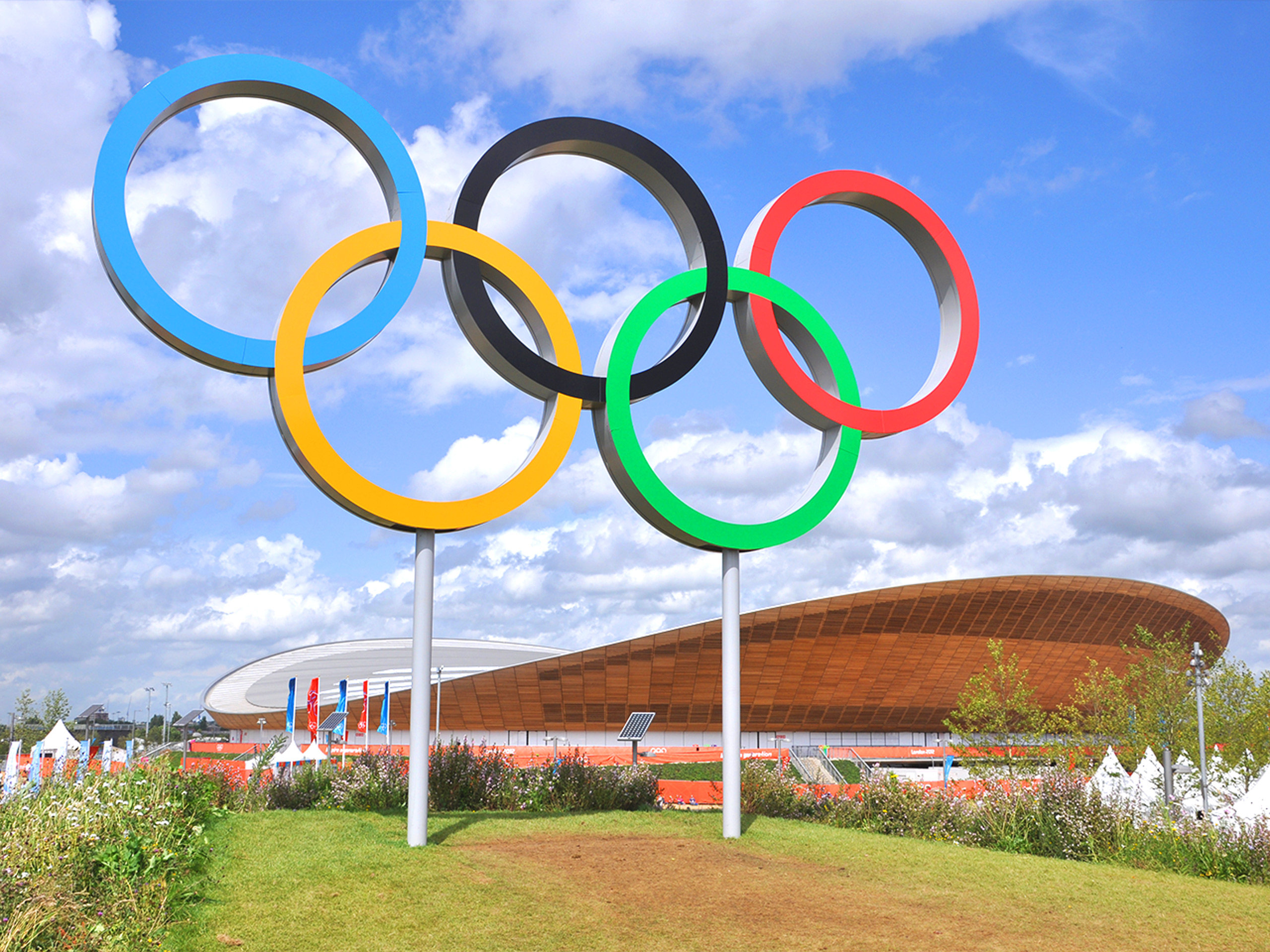
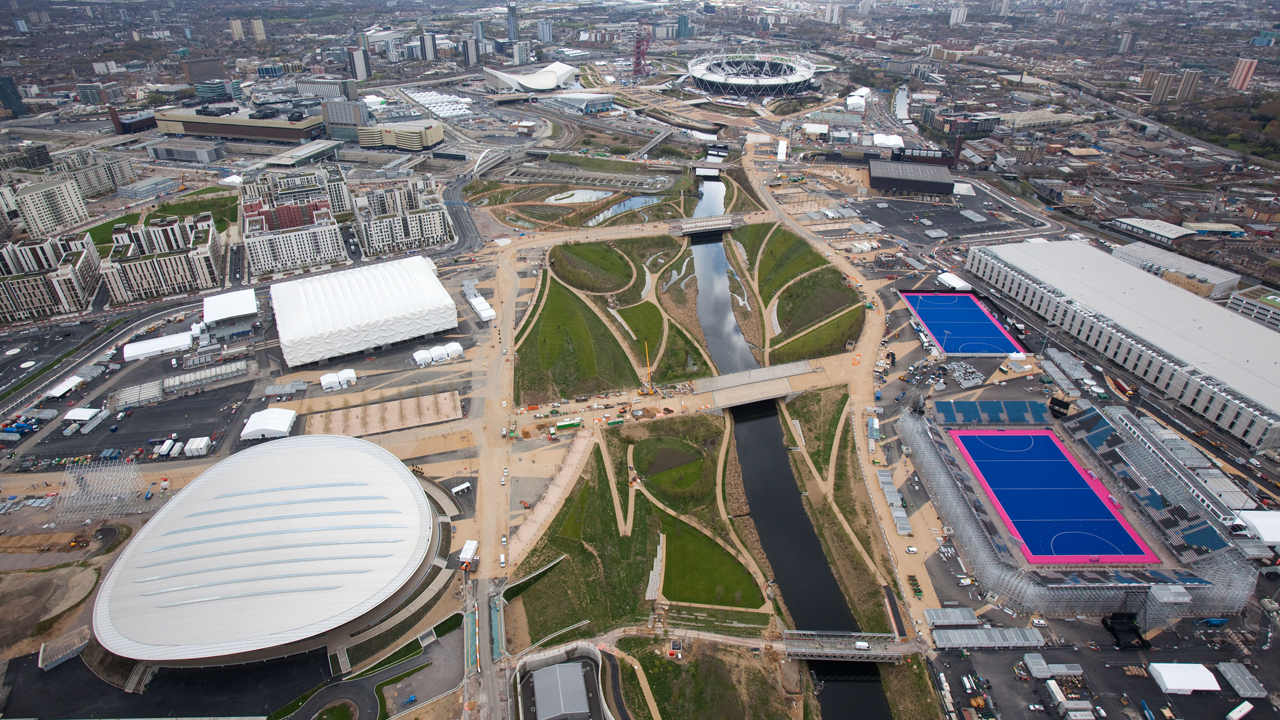
Commissioned by the Olympic Delivery Authority, Expedition developed the pioneering Water Strategy for the world's most prestigious sporting event. We addressed the complex challenge of meeting ambitious water usage targets while creating a lasting environmental legacy across the 250-hectares Olympic Park – later renamed the Queen Elizabeth Olympic Park.
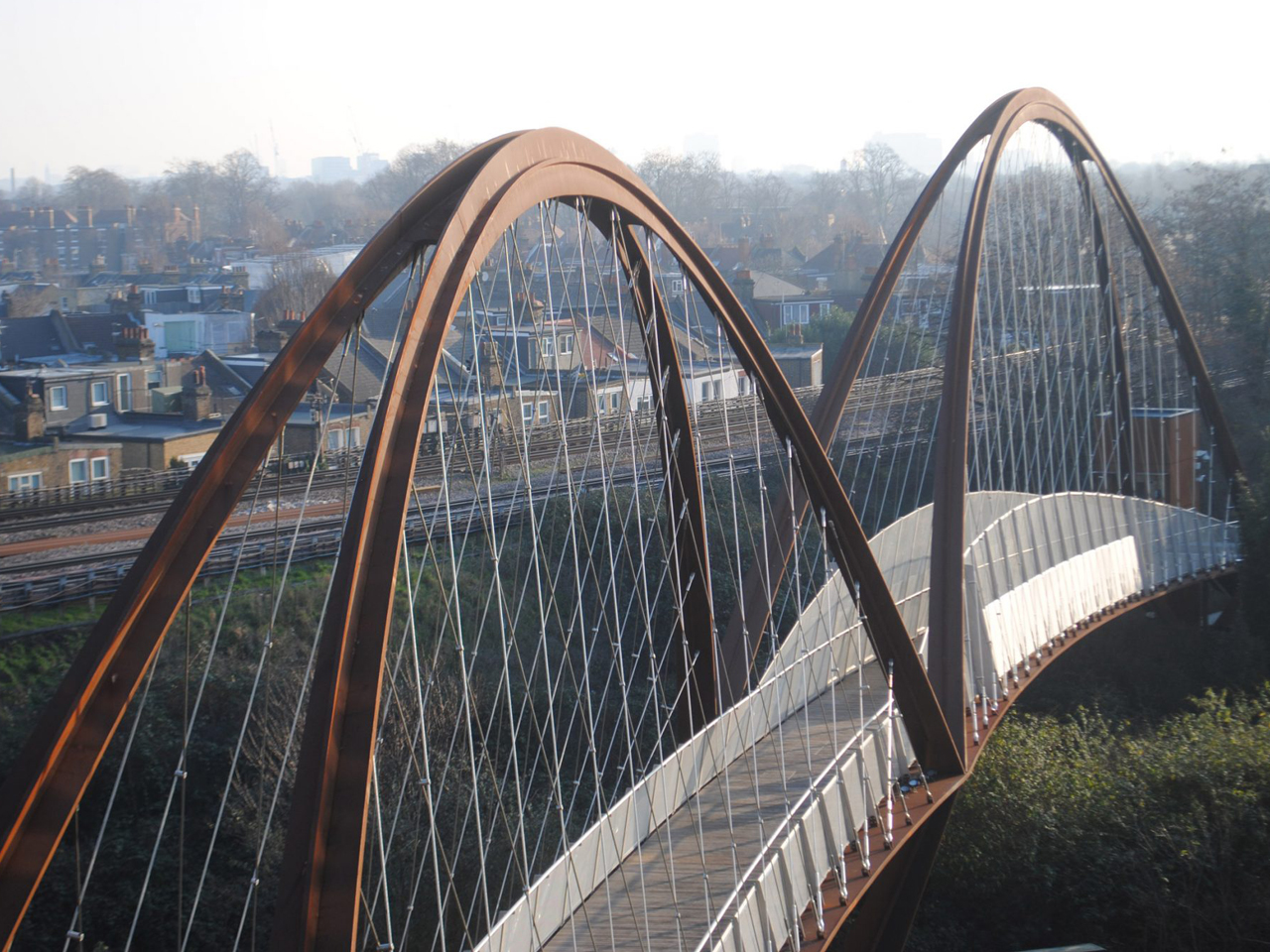
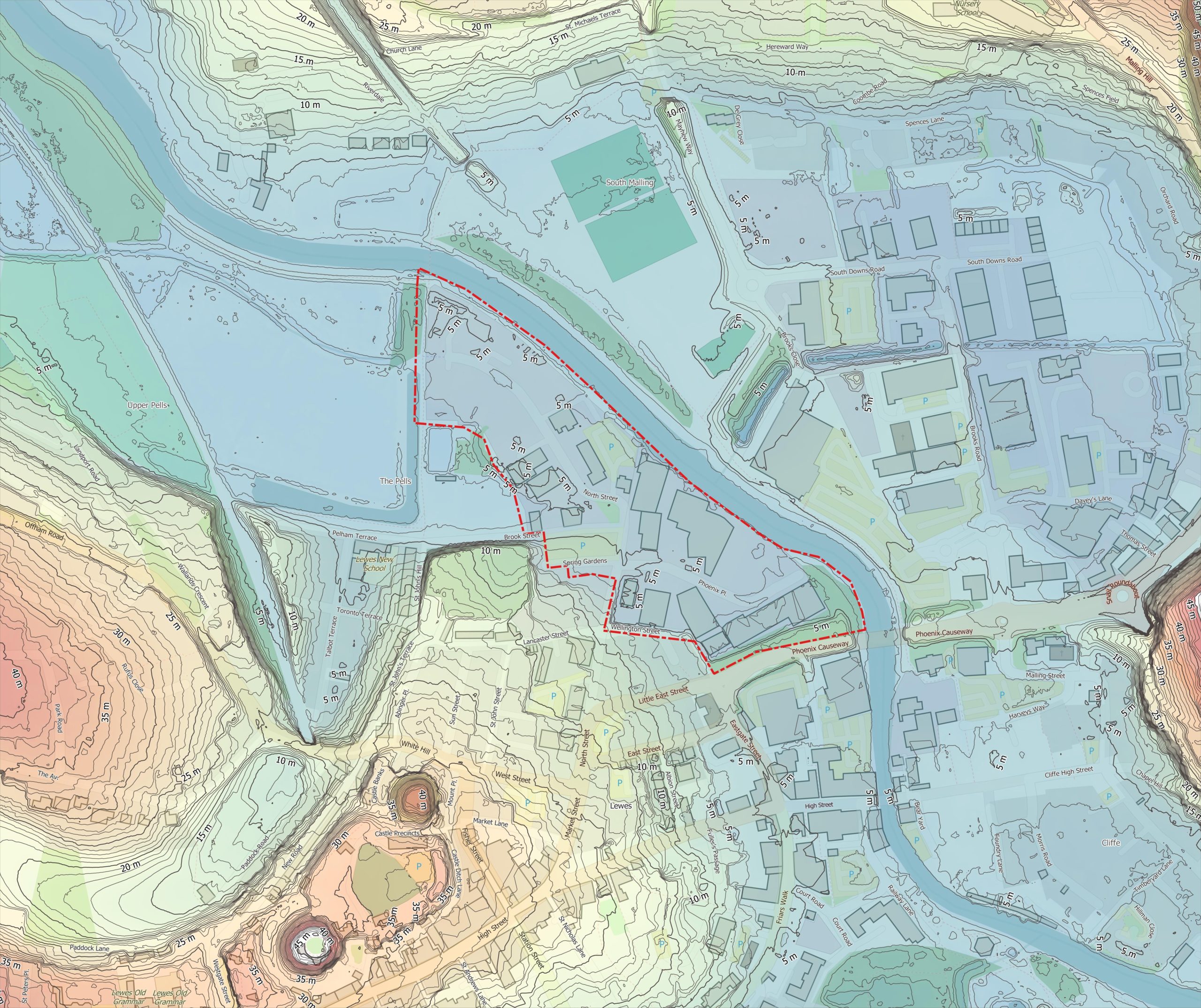
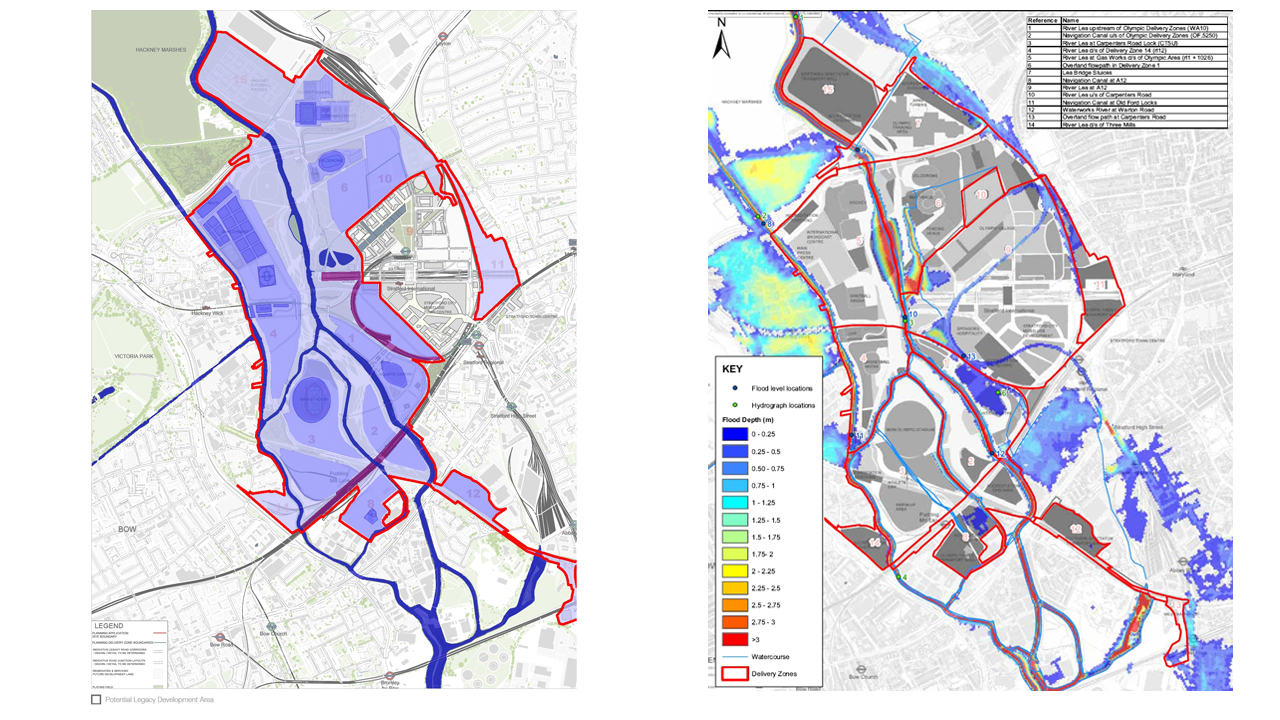
This project presented unique engineering challenges that extended far beyond typical event planning. Built on the formerly derelict site on in the Lower Lea Valley, its industrial heritage created contaminated land issues, while complex topography and interconnected waterways posed significant flood risks. Multiple transport and utility corridors intersected the development, requiring innovative coordination between water systems and existing infrastructure.
Under the Head of Sustainable Development, Dan Epstein, the Olympic Delivery Authority established an ambitious 40% reduction target for potable water demand. The team collaborated closely with Dan to map viable pathways toward this target, developing integrated strategies for water supply and drainage across the entire site. Subsequently, our experts embedded within the delivery team to oversee implementation and provide ongoing technical support.
Reducing demand
An important underpinning goal was to optimise benefits for investment. By developing whole life appraisal tools to demonstrate options, a critical evidence base was established to build support from statutory stakeholders, such as the Environment Agency and Thames Water.
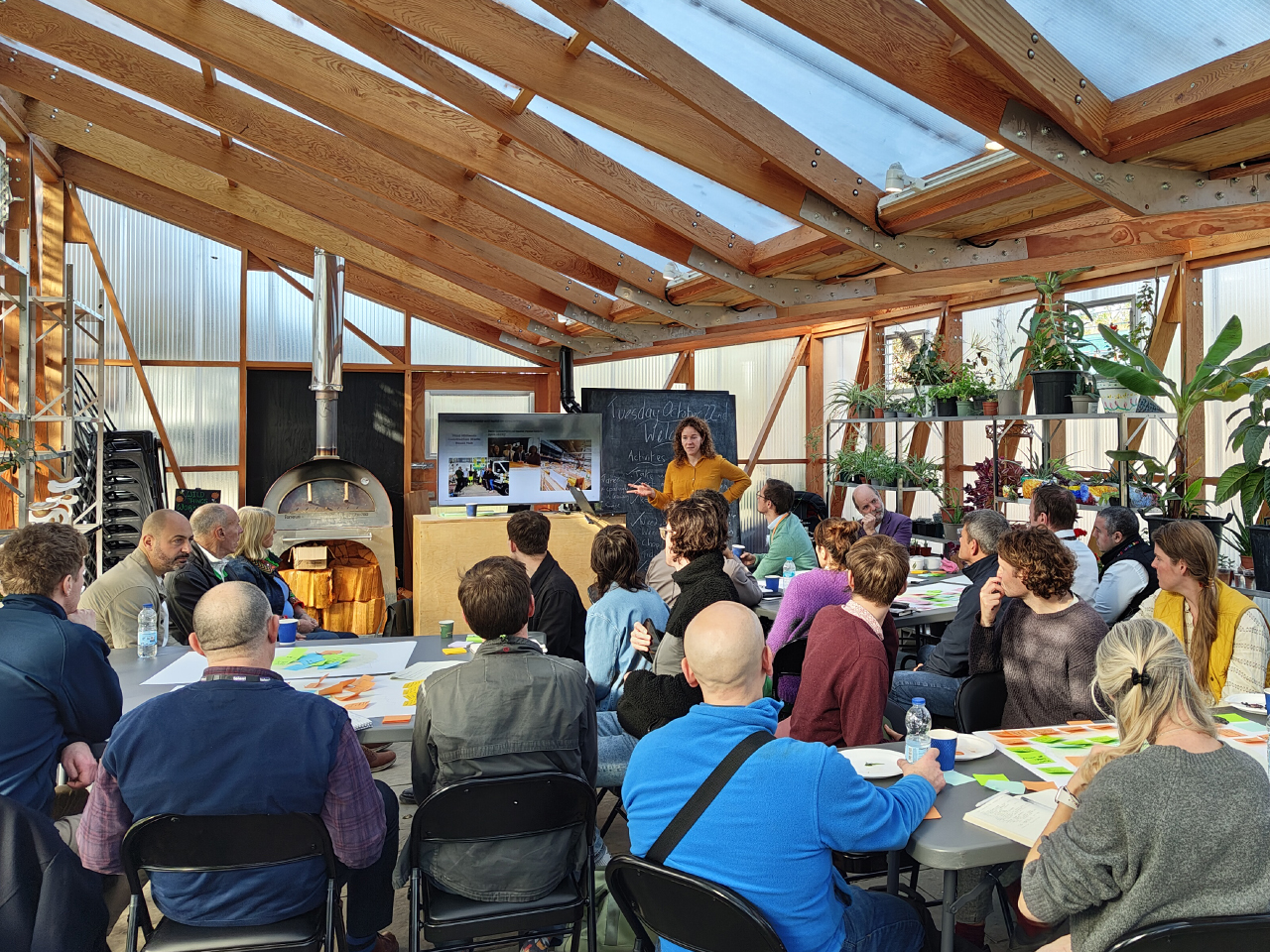
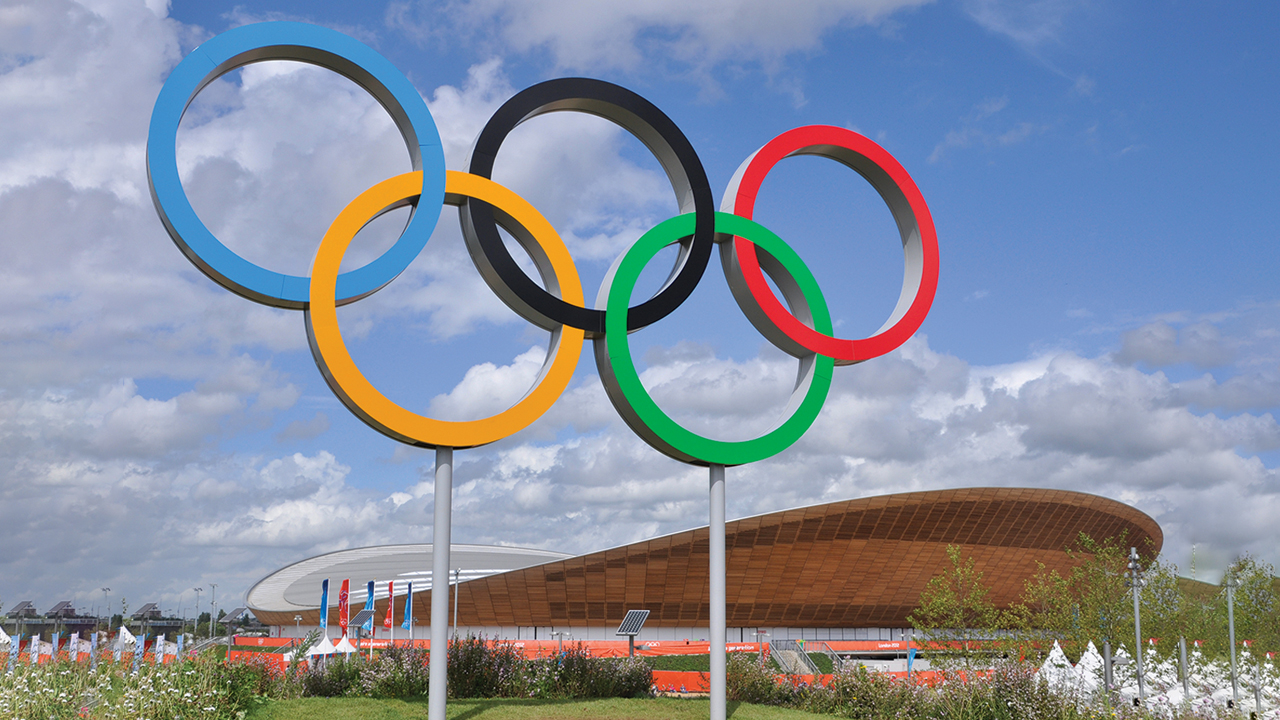
Despite market skepticism regarding performance reliability at the time, specified water-efficient fittings including taps, shower heads, and toilets were incorporated throughout the nine venues, including the Olympic Stadium, Aquatics Centre, and Velodrome. Concerns were addressed through collaborative workshops that brought together the design teams and suppliers, facilitating knowledge transfer and building confidence in these emerging technologies.
Strategic water management solutions
Rainwater harvesting systems were incorporated at specific venues with heavy water demand to maximise resource efficiency while addressing specific operational needs. The Aquatic Centre received particular attention due to regular filter backwashing requirements for pool water quality maintenance.
It was also proposed to treat wastewater to standards suitable for toilet flushing and landscape irrigation. Working with Thames Water, we pioneered a blackwater recycling plant that diverted water from the Northern Outfall Sewer into a dedicated treatment facility. This created a distribution system serving multiple venues while reducing strain on municipal water supplies.
Multi-functional landscape
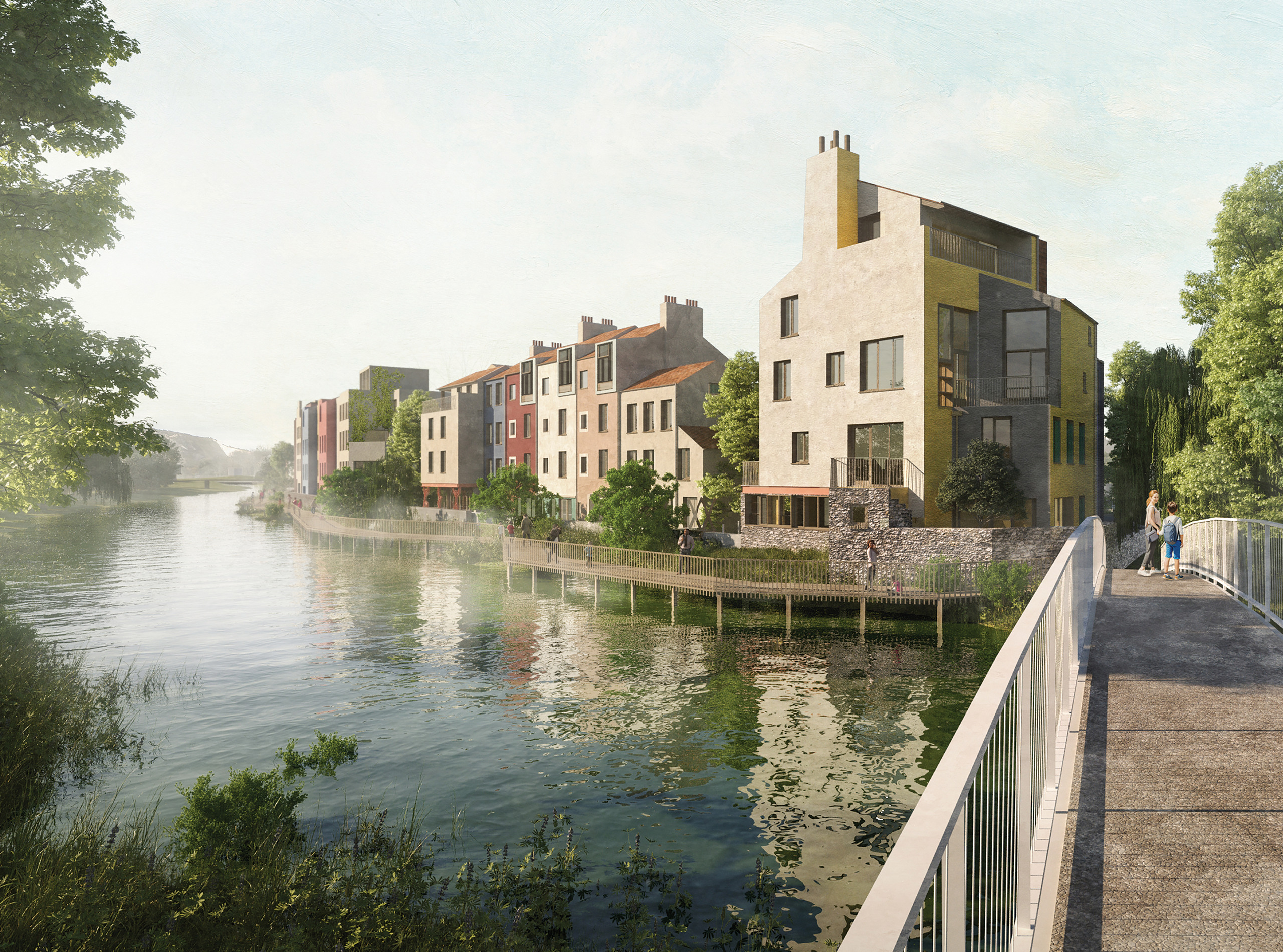
The Water Strategy integrated sustainable water management with the site’s wider ecology and landscape design, using Sustainable Urban Drainage Systems (SuDS) for flood risk management. This addressed both immediate event requirements and long-term environmental sustainability – a key move included creating the wetland bowl to improve flood resilience for communities upstream in the River Lea catchment. By working closely with the landscape designers, solutions for a drainage system that could cope with the site’s legacy and games modes were successfully incorporated.
A focus on legacy
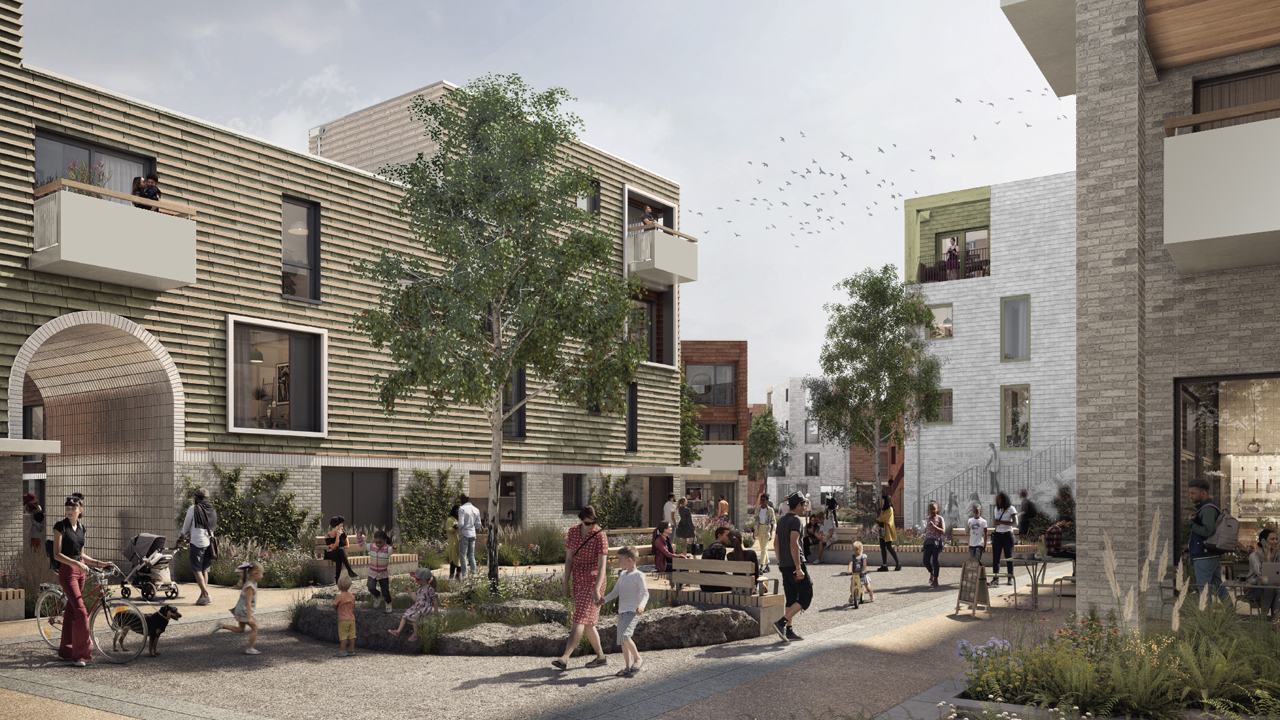
Throughout the project, there was a maintained focus on legacy creation rather than temporary solutions. Comprehensive demand management analysis provided detailed understanding of water usage fluctuations during the London 2012 Olympic Games and subsequent venue operations. Every option underwent whole-life cost and carbon assessment to identify optimal holistic solutions, creating lasting environmental benefits for the regenerated Queen Elizabeth Olympic Park that are still present today.
Image gallery
Key People
Key People
-

Ed McCann
Senior Director
-
Judith Sykes
Senior Director
-
Fred Labbe
Director